thujone (alpha and beta)
compound / compound-thujone
ツヨン
Thujone (alpha and beta) is a monoterpene ketone present in Artemisia species such as wormwood. A regulated substance under EU flavoring regulations.
Photographs (captions in Japanese)
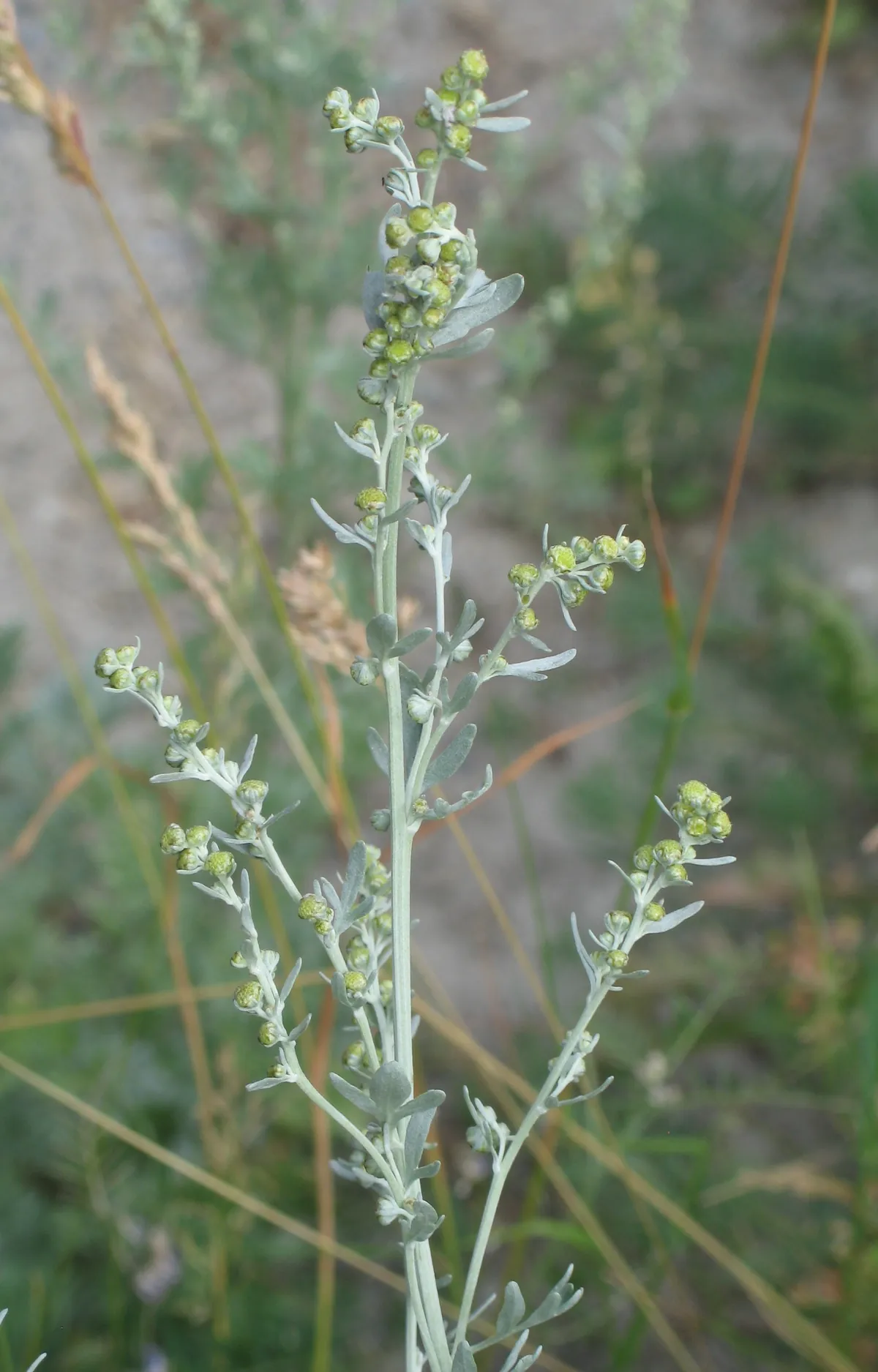
The above-ground part of wormwood (Artemisia absinthium). Thujone (alpha and beta) is a monoterpene ketone found in plants of this genus, and this is a photograph of the source plant, not of the compound itself.
Raw materialShown: Artemisia absinthium (wormwood)Part / state: Above-ground plant
Photo: Robert Flogaus-Faust / CC BY 4.0 / original image / ledger's original image
Scope and provenance of the photo
Identification: Identified as labelled in the source. A different file from the photographs used for ingredient-bask, compound-absinthin, and ingredient-wormwood (to avoid duplication).
Image shown: The full-size file from Wikimedia Commons. No cropping or color changes by NIGAMI LAB. For display, a WebP capped at 1200 px wide is served; the ledger's original image can be checked from the link above.
On this page (7 sections)
Reading the bitterness
Thujone (alpha and beta forms) is a type of monoterpene ketone, an aromatic compound found in plants of the Artemisia genus such as wormwood, and a regulated substance under EU flavoring regulations. These regulations set a maximum limit for thujone in beverages derived from Artemisia species; absinthe is classified as a beverage within the scope of this regulation.
The maximum reference levels for thujone under this regulation are divided into three tiers depending on beverage type: 10 mg/kg for alcoholic beverages not derived from Artemisia species, 35 mg/kg for alcoholic beverages derived from Artemisia species such as absinthe, and 0.5 mg/kg for non-alcoholic beverages derived from Artemisia species. The numerical order—with higher limits for alcoholic beverages than non-alcoholic—reflects the regulatory structure for compound foods; however, this is a legally mandated maximum for compound foods, not a sensory threshold at which humans perceive bitterness or irritation, nor a toxicological threshold at which health effects occur.
Sources for this overview
Regulation (EC) No 1334/2008 on flavourings and certain food ingredients with flavouring properties
Checked for this overview: Confirmed the scope in which absinthe is positioned as an Artemisia-derived alcoholic beverage under EU regulation. / Confirmed the provision establishing three-tiered maximum reference levels for thujone across beverage categories.
Follow the connections
absinthe →is subject to an EU thujone…→ thujone (alpha and beta)
Measured values (1)
| Kind | Compound | Target | Value | Conditions | Source |
|---|---|---|---|---|---|
| concentration | thujone (alpha and beta) | absinthe | 0.5-48.3 (mean 25.4±20.3, median 33.3) mg/L | 13 authentic absinthe samples manufactured before 1915 (total thujone) | Lachenmeier DW, 2008 |
Values are the reported values of each source (with units and conditions). Thresholds and EC50 depend on the panel and method; they are not single true values.
Structured claims — open a section to read each claim's confidence, evidence and limits
Safety and regulation (2)
Scope: Compound foods under EU Regulation (EC) 1334/2008 Annex III Part B
Show data
compound-thujone —has_eu_maximum_levels_of→ (the claim sentence above)Scope: EU. Regulation (EC) 1334/2008 Annex III Part B
Show data
ingredient-absinthe —is_subject_to_eu_thujone_maximum_of→ compound-thujone